Osteopathy is a system of healthcare that focuses on the body’s structure and function. Osteopaths are trained to look at how the muscles, joints, ligaments, and connective tissues are working together, and how this may relate to your overall health and wellbeing.
Treatment is tailored to the individual and may involve a variety of techniques such as gentle stretching, massage, or joint mobilisation, with the aim of improving mobility and supporting the body’s ability to move well.
A Whole Body Approach
Rather than focusing only on the site of discomfort, osteopaths take a whole-body view. Osteopaths consider how lifestyle, posture, or everyday activities might contribute to the way you feel. This can be especially useful for people managing the physical demands of work, sport, family life, or simply the changes that come with getting older.
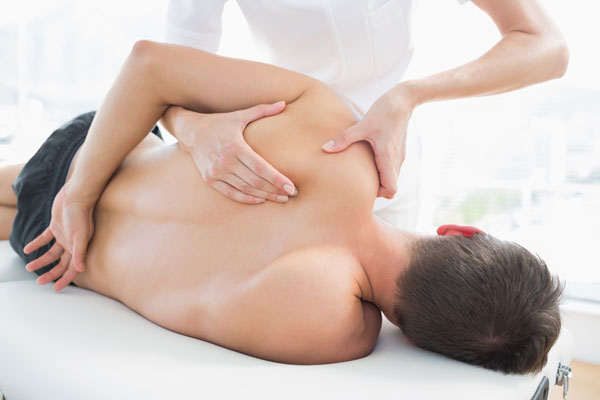
Osteopaths use a combination of techniques in a personalised treatment plan designed to improve your symptoms. This usually includes a combination of soft tissue and joint techniques, Tristan also can use dry needling in his treatments.
An Osteopathic perspective ensures consideration of the whole body and how other issues could contribute. In practice, because we don't only treat the area of pain, this means we are more likely to get to the root of the problem, the underlying cause of the issue, and improve long term management.
Who we see
Who We See At Bingham Osteopath, we see people of all ages. Some come with everyday aches and pains, while others are looking for support in maintaining flexibility or recovering from the stresses and strains of daily life.
Conditions we regularly help with include:
• General joint and muscle tension
• Arthritic pain
• Digestion problems
• Fibromyalgia
• Shoulder / Elbow pain
• Mechanical neck pain
• Headache relating to the neck
• Joint pains
• Back pain
• Migraine prevention
• Minor sports injury
• Neuralgia
• Sciatica
• Stiffness linked to work or lifestyle habits
• Support in staying active and mobile
A brief history of Osteopathy
Osteopathy was founded in America in 1874 by Dr. Andrew Taylor Still, a frontier doctor who wanted to find safer, more effective ways to treat his patients. At that time, medicine was still developing — many drugs didn’t work well, and surgery was risky and often led to infection. Dr. Still took a different approach from many of his colleagues. He avoided alcohol and the harsh medicines of the time, instead focusing on how the body’s structure and movement could influence health. Through his work, he developed a new kind of physical treatment, which he called osteopathy.
In 1892, Dr. Still opened the first school of osteopathy in Missouri, and from there the practice spread to the United Kingdom. The first British school — the British School of Osteopathy — was founded in London in 1917, and that’s where I completed my training.
By 1998, osteopathy had become a fully regulated profession in the UK. Anyone wishing to call themselves an osteopath had to register with the General Osteopathic Council (GOsC) — the body set up to maintain high standards and ensure patient safety.