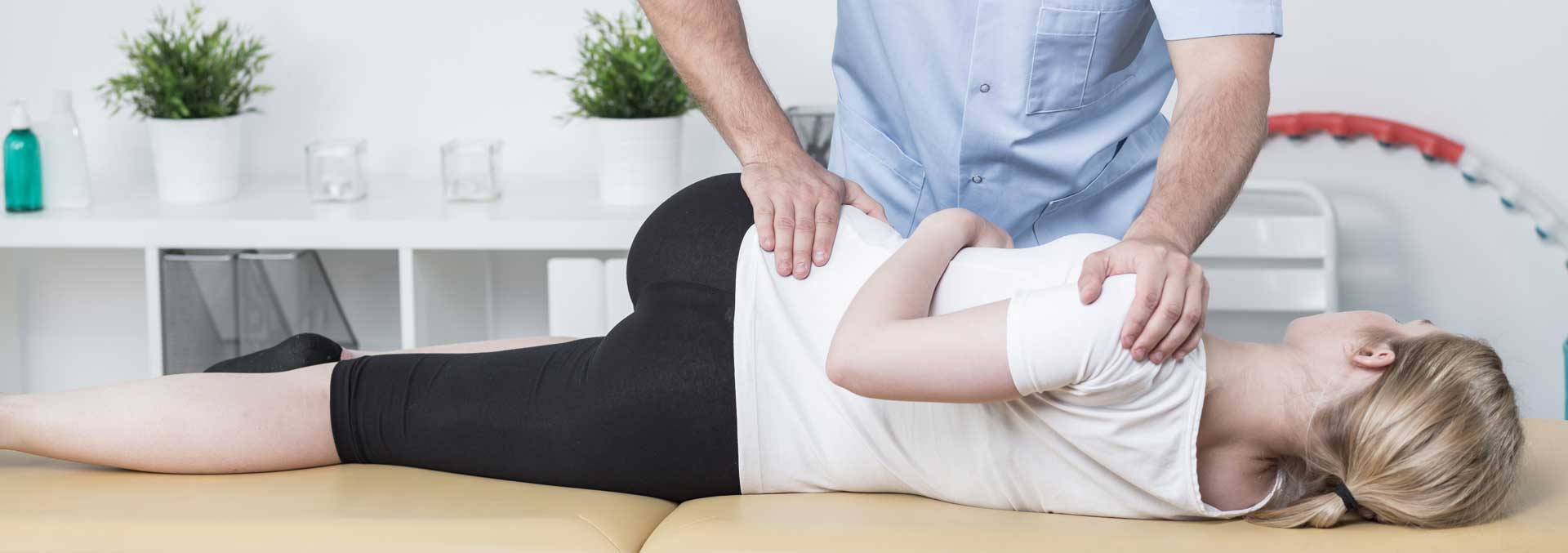
What can we help with?

footer-image

Some examples of conditions we regularly help patients with include:

• General joint and muscle tension

• Arthritic pain

• Digestion problems

• Fibromyalgia

• Shoulder / Elbow pain

• Mechanical neck pain

• Headache relating to the neck

• Joint pains

• Back pain

• Migraine prevention

• Minor sports injury

• Neuralgia

• Sciatica

• Stiffness linked to work or lifestyle habits

• Support in staying active and mobile
Untitled design

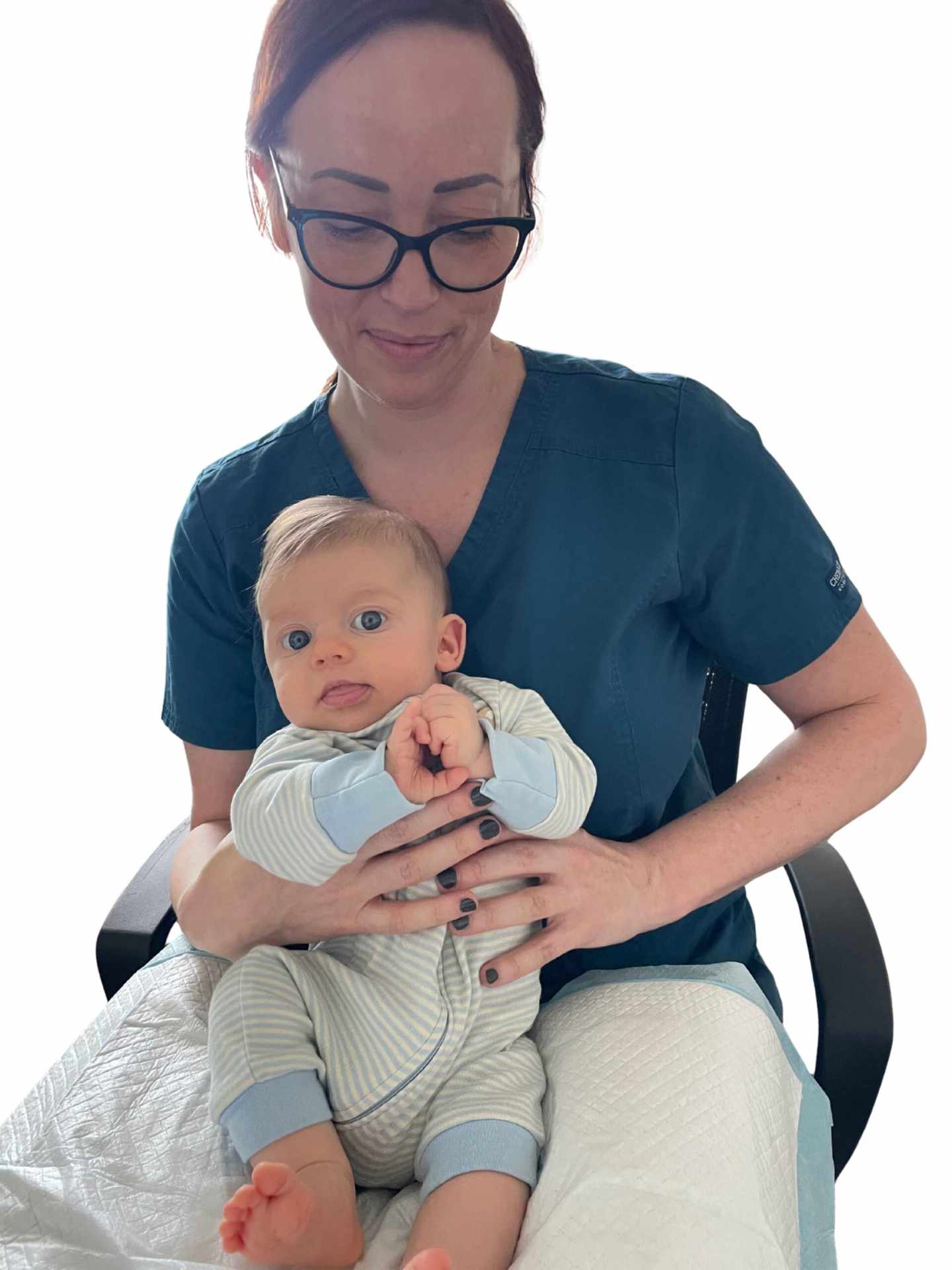
Your Child’s First Appointment

What to Bring

To help you and your child feel at ease, we suggest bringing:

• Your child’s red book/health record, if you have one

• Any relevant medical notes or hospital letters

• Nappies, wipes, and spare clothes (for babies and toddlers)

• A favourite toy, blanket, or comforter to help your child feel relaxed

• Snacks or drinks for older children

• Anything that helps your child feel settled during new experiences

A Safe and Supportive Environment

• You are welcome to hold, feed, change, or comfort your child at any time during the appointment.

• We encourage you to stay with your child throughout.

• All osteopaths at Ashby are registered with the General Osteopathic Council, and our practice follows professional standards of care and safeguarding.

What to Expect at Your Child’s First Osteopathy Appointment

Visiting a new healthcare professional with your baby or child can sometimes feel daunting. At Bingham Osteopaths, we aim to make the experience calm, safe, and supportive for both you and your child.

Your first visit will usually last a little longer than follow-ups, as we take time to understand your child’s health and your concerns. The appointment may include:

1. Case history

◦ We’ll ask about the pregnancy, your child’s birth, medical history, development, and general wellbeing.

We want to know all the little details, not only medical information, but things you notice about your child, how they move and what you might have noticed.

◦ You’ll have the chance to share any concerns or questions you may have.

2. Examination

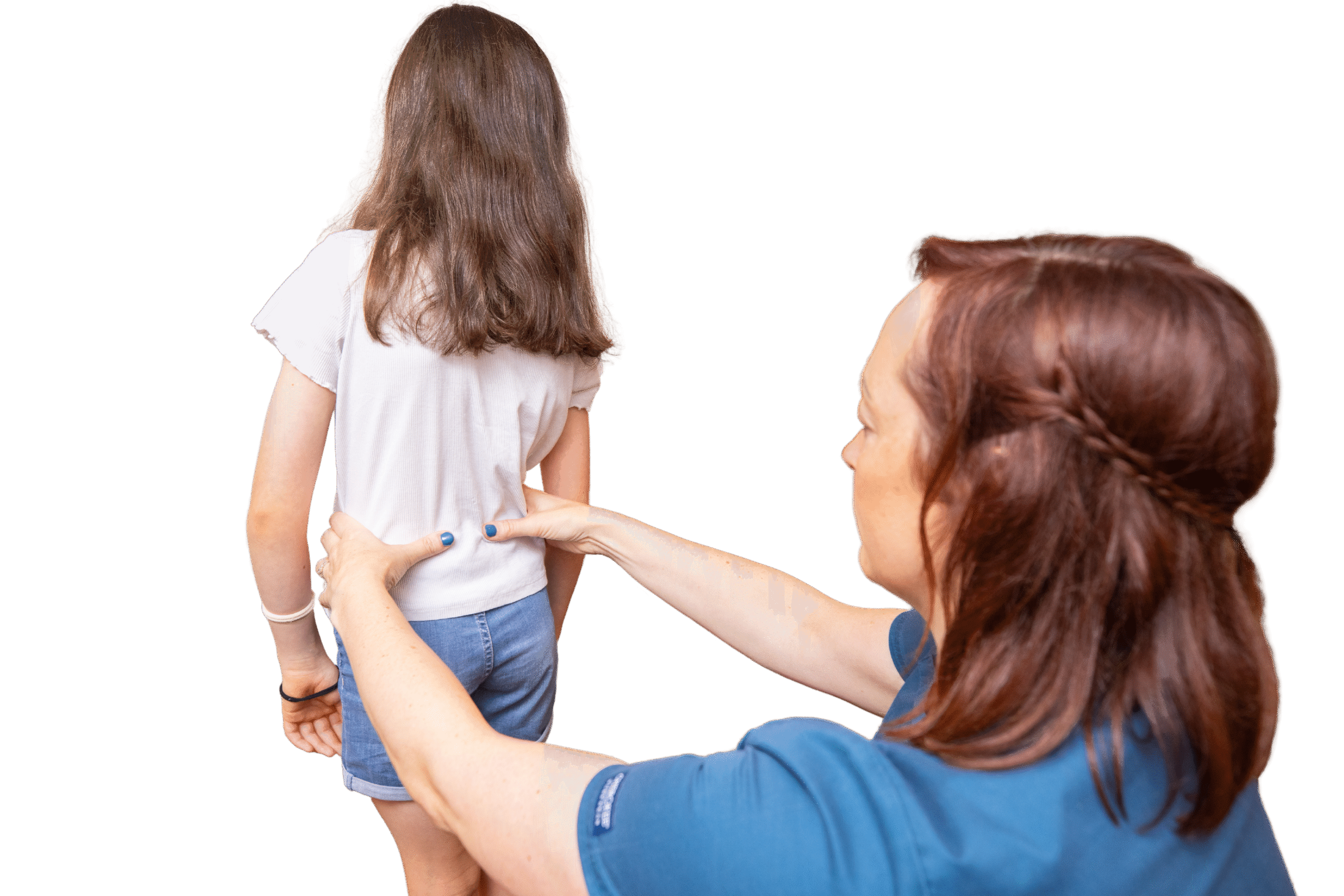
◦ With your consent, we will gently assess how your child feels, moves and holds themselves.

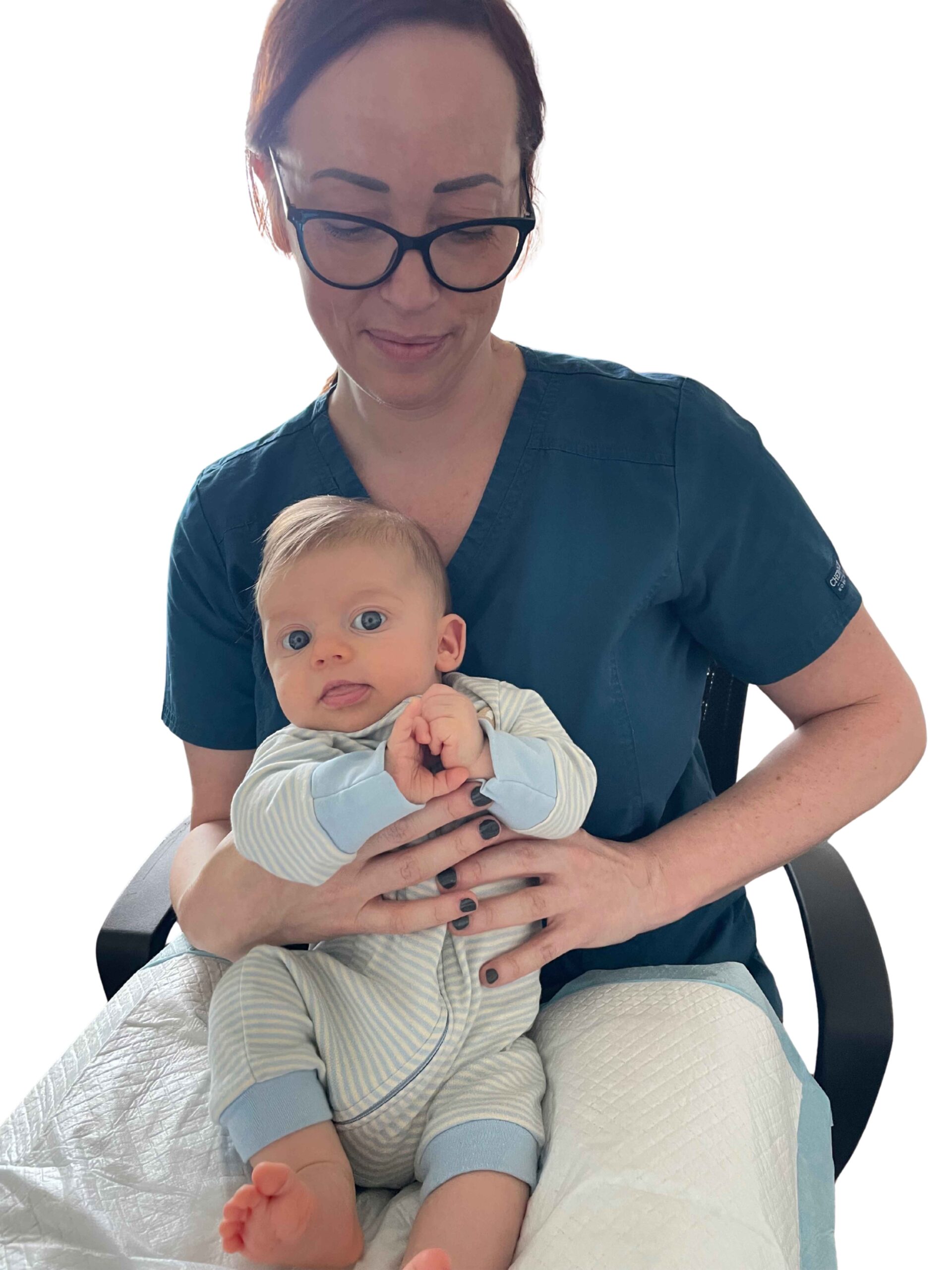
◦ For babies, this may include observing feeding positions, movements, or how they lie.

(it can be useful to observe a baby feeding, so if the timing works for your family, try to have them a little bit hungry when you arrive – but please don’t worry if they can’t wait)

3. Discussion

◦ This is usually a continuous process and we will talk to you throughout the appointment, but there will be an opportunity to talk about what the examination findings have been and what treatment we recommend and why.

4. Treatment (if appropriate)

◦ If we feel osteopathic care is suitable, we will use gentle techniques to help ease the problem areas.

◦ Treatment is always adapted to your child’s age and comfort.

5. Advice

◦ We may offer suggestions on positioning, comfort, or ways to support your child at home.

◦ Where necessary, we may recommend further assessment or referral to another healthcare professional.

Important Note

Osteopathy does not replace medical care or developmental checks, and we always recommend speaking to your GP or health visitor if you have any concerns about your child’s health. If we feel that further support or investigation is needed, we will refer you to an appropriate healthcare professional.

If you’re unsure whether osteopathy is right for your child, we’re happy to answer any questions.

traction

Osteopathy for Babies

0-2 year olds

Osteopathic care takes a gentle, whole-body approach to support your baby’s natural development and comfort. Babies’ bodies and systems are still developing; because of this, symptoms or difficulties in one area, can be connected to tension elsewhere in their body.

Treatment, when suitable, uses light touch techniques, including cranial osteopathy, and is tailored to your child’s individual needs. Many parents choose to visit an osteopath for a variety of reasons including if their child:

appears uncomfortable
struggles to turn their head one or both ways
has disrupted sleep
seems tense when held
arches their back
has had a procedure such as a frenulotomy (tongue-tie release), where parents notice their baby seems to hold tension afterwards

Osteopathy may help identify areas of strain or imbalance and support comfort as your baby adapts and grows.

Important Note

Osteopathy does not replace medical care or developmental checks, and we always recommend speaking to your GP or health visitor if you have any concerns about your child’s health. If we feel that further support or investigation is needed, we will refer you to an appropriate healthcare professional.

If you’re unsure whether osteopathy is right for your child, we’re happy to answer any questions.

traction

Toddlers-Teens

Toddlers-Teens

As children grow, parents sometimes notice things such as:

Inability to relax
Frequent bumps and tumbles affecting comfort
Tension or stiffness in posture or movement
Joint pains or changes in how they sit, crawl, walk or run
Osteopathic treatment for toddlers is gentle and playful, using light techniques that are safe for small bodies.
Sessions often include practical advice for parents to support comfort and movement at home.

In later childhood and the early teenage years, rapid growth spurts, changes in posture and new activities (like sport, dance or playing instruments) can sometimes lead parents to seek osteopathic care. Common reasons include:
General stiffness or postural changes linked with growth.
Discomfort after sport, dance, or carrying heavy school bags.
Tension from long periods at desks, computers or devices.

Our role is to assess movement, offer safe hands-on treatment if appropriate, and provide advice on posture, stretching and exercise.

Important Note

Osteopathy does not replace medical care or developmental checks, and we always recommend speaking to your GP or health visitor if you have any concerns about your child’s health. If we feel that further support or investigation is needed, we will refer you to an appropriate healthcare professional.

If you’re unsure whether osteopathy is right for your child, we’re happy to answer any questions.

traction

Cranial Osteopathy

Cranial Osteopathy

Cranial Osteopathy is a form of treatment that uses very subtle & gentle techniques to influence movement in the body. It is not only about the head, these techniques can be used on any area of the body to help to ease tension & discomfort.

Cranial is particularly useful for chronic pain, or when a patient is particularly young, elderly or otherwise delicate.

Sometimes this style of Osteopathy is used exclusively during an appointment, other times, it can be used in combination with traditional osteopathy, depending on what might be most beneficial for the individual on the day.

Clinic Information

- On arrival at the clinic, if driving, please park on the driveway, or on the road nearby which is unrestricted.

- Proceed to the waiting room where we will come & find you when we’re ready for you.

- The clinic is all on the ground floor and a bathroom is available.

- High standards of hygiene and cleanliness are maintained at all times.

- If you are at all ill or feeling unwell, please contact the clinic to rearrange your appointment. This is not a covid-related rule, it’s to protect us and our vulnerable patients from illness.

- Payment for sessions is due at the end of each appointment, by cash, card or bank transfer. contactless is available.

We look forward to welcoming you!

Appointment Fees

Osteopathy

Initial Consultations for New Patients are £80 for consultation/treatment.

Follow Up appointments are £50 for 30 mins.

Extended Follow Up appointments are £90 for 1 hour.

The initial consultation lasts up to 60 mins, and follow up treatments are 30 minutes or 1 hour depending on your presentation. 

Sports Massage

60 mins : £50

Osteopathy

tristan-slide11

Osteopathy is a system of healthcare that focuses on the body’s structure and function. Osteopaths are trained to look at how the muscles, joints, ligaments, and connective tissues are working together, and how this may relate to your overall health and wellbeing.

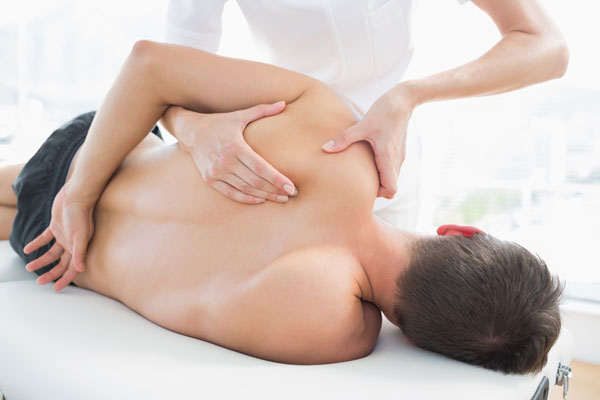
Treatment is tailored to the individual and may involve a variety of techniques such as gentle stretching, massage, or joint mobilisation, with the aim of improving mobility and supporting the body’s ability to move well.

A Whole Body Approach

Rather than focusing only on the site of discomfort, osteopaths take a whole-body view. Osteopaths consider how lifestyle, posture, or everyday activities might contribute to the way you feel. This can be especially useful for people managing the physical demands of work, sport, family life, or simply the changes that come with getting older.

acupressure

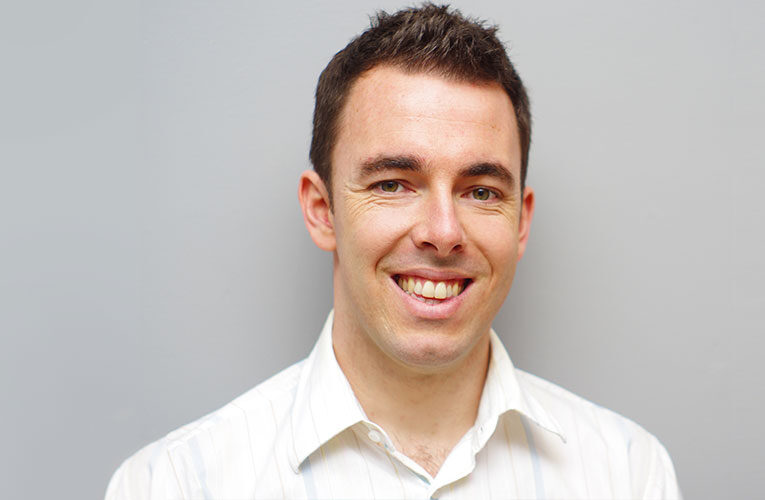
Osteopaths use a combination of techniques in a personalised treatment plan designed to improve your symptoms. This usually includes a combination of soft tissue and joint techniques, Tristan also can use dry needling in his treatments.

An Osteopathic perspective ensures consideration of the whole body and how other issues could contribute. In practice, because we don't only treat the area of pain, this means we are more likely to get to the root of the problem, the underlying cause of the issue, and improve long term management. 

Who we see

Who We See At Bingham Osteopath, we see people of all ages. Some come with everyday aches and pains, while others are looking for support in maintaining flexibility or recovering from the stresses and strains of daily life.

Conditions we regularly help with include:

• General joint and muscle tension

• Arthritic pain

• Digestion problems

• Fibromyalgia

• Shoulder / Elbow pain

• Mechanical neck pain

• Headache relating to the neck

• Joint pains

• Back pain

• Migraine prevention

• Minor sports injury

• Neuralgia

• Sciatica

• Stiffness linked to work or lifestyle habits

• Support in staying active and mobile

A brief history of Osteopathy

Osteopathy was founded in America in 1874 by Dr. Andrew Taylor Still, a frontier doctor who wanted to find safer, more effective ways to treat his patients. At that time, medicine was still developing — many drugs didn’t work well, and surgery was risky and often led to infection. Dr. Still took a different approach from many of his colleagues. He avoided alcohol and the harsh medicines of the time, instead focusing on how the body’s structure and movement could influence health. Through his work, he developed a new kind of physical treatment, which he called osteopathy.

In 1892, Dr. Still opened the first school of osteopathy in Missouri, and from there the practice spread to the United Kingdom. The first British school — the British School of Osteopathy — was founded in London in 1917, and that’s where I completed my training.

By 1998, osteopathy had become a fully regulated profession in the UK. Anyone wishing to call themselves an osteopath had to register with the General Osteopathic Council (GOsC) — the body set up to maintain high standards and ensure patient safety.

traction

Paediatric Osteopathy

Gentle Support for Growing Bodies

Every child is different, and their bodies go through many changes as they grow. Paediatric osteopathy offers a gentle, hands-on approach that aims to support your child’s comfort, movement, and overall wellbeing during these early stages of development.

Whether you’re bringing a newborn, toddler, or older child, osteopaths are trained to assess how a child’s body is functioning and adapting. We look at posture, movement patterns, and areas of tension, always considering what’s appropriate for your child’s age and stage.

Important Note

Osteopathy does not replace medical care or developmental checks, and we always recommend speaking to your GP or health visitor if you have any concerns about your child’s health. If we feel that further support or investigation is needed, we will refer you to an appropriate healthcare professional.

If you’re unsure whether osteopathy is right for your child, we’re happy to answer any questions.